

What Do Scouts Look For in U17 Players
The road to becoming a professional footballer is filled with skills and technical capabilities; they prefer players who possess an unwavering spirit of playing and winning matches with their team. Age plays a crucial role in football, and hence, scouts are primarily looking for young talent to give them a better chance of becoming professional footballers.
If you are in your teens and playing football in clubs and academies, you have a better chance of being spotted by a scout. If you are wondering what scouts look for in U-17 football players, then you have come to the right place. We will tell you what attributes you need to practice to impress scouts, and we will also tell you the tips and tricks from famous football coaches and scouts for standing out in the game.
Why the U17 Age Group Matters for Scouting in Football
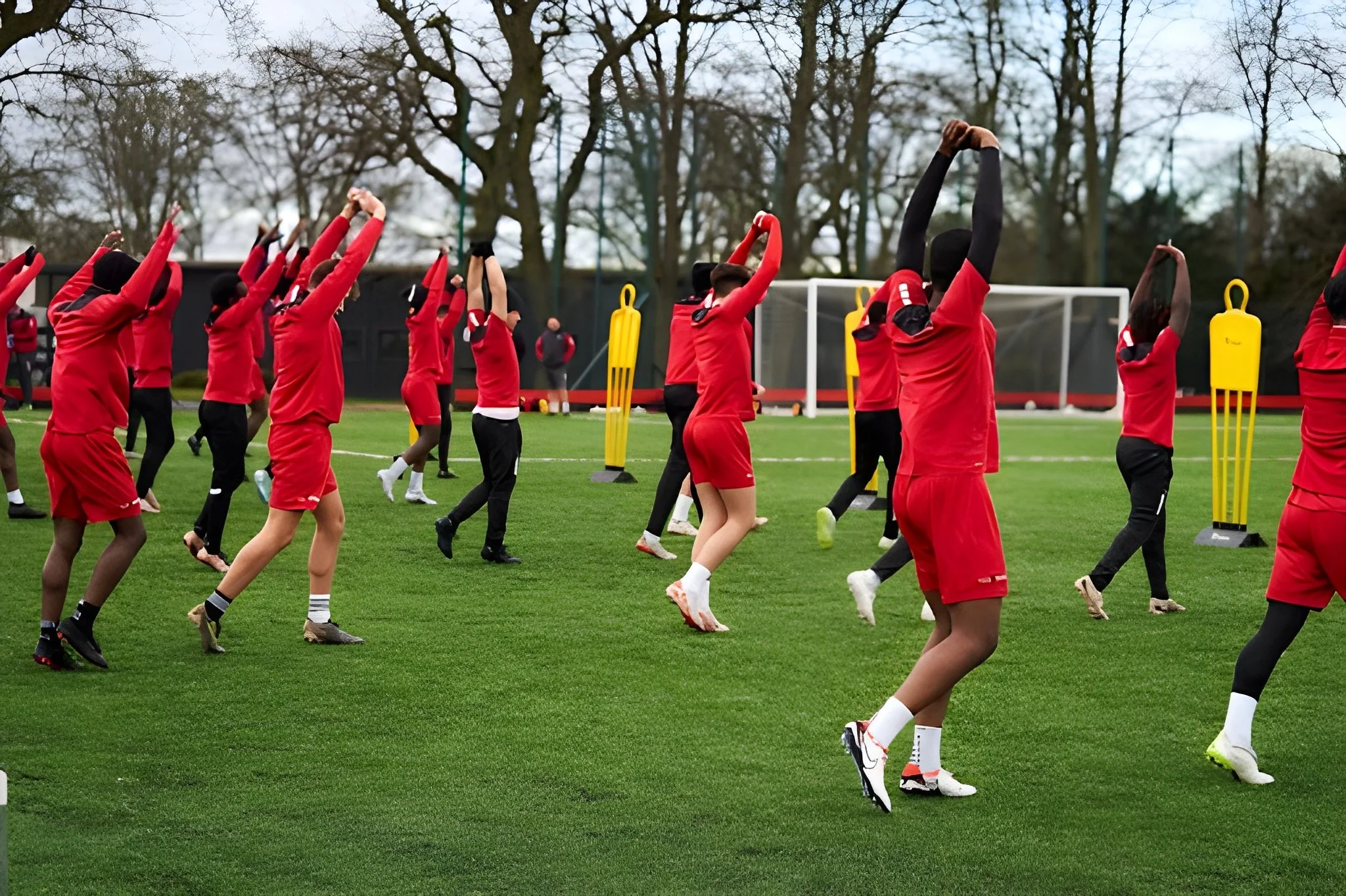
As stated earlier, age is a crucial factor for scouting in football. The big question is not what scouts look for in U17 players, but why scouts look for U17 players at all. The U17 age group marks the transition from the foundational phase to the professional development phase for players.
This age group is when players are almost physically mature, making it easier to measure their physical attributes. They have also been trained enough to exhibit their ceiling, next-step readiness, physiological transition, and skills. It is the age when many elite players are offered professional contracts.
Scouting in football does not just assess the current potential and abilities of U-17 players; it also analyzes their developmental trajectories and skills for the future.
Who are Football Scouts?
Scouting for football is like a fresh blood artery to recruit new talent. Their primary job is to identify and evaluate potential talent for the club or academy. They are individuals with a passion for the game and an eye for potential talent. Their primary job is to identify and analyse talent, collect information on players to inform the club, and analyse opponents to look for their weaknesses.
Types Of Football Scouts
There are three major types of scouts, which are described below.
Club Scouts
The academies hire these scouts to locate potential talent for their academy. They discover exceptionally talented young players to strengthen their team. These scouts also diligently observe their opponents to pinpoint their weaknesses and support the academy and its squad.
International Scouts
International scouts recruit players who have already been signed by the clubs. They pick young players who shine out in elite football and are ready to represent their country internationally.
Scouts for Agencies
Agency scouts work for specific agencies. They aim to identify raw talent and send it to various clubs with whom they have agreements.
Process of Scouting for Football
Now, you might be wondering how scouting works in football. Here is a simple, step-by-step process for scouting. Understanding this will help you get scouted.
Player identification: Scouts attend grassroots leagues, school tournaments, regional academy fixtures, and open trials to spot potential talent. They create a player profile that includes details such as age, position, statistics, and achievements.
Analysis: They watch live matches more than once to understand and deeply analyse your strengths, weaknesses, achievements, physical attributes, game IQ, and decision-making abilities.
Recommendation: Based on an in-depth analysis and a longitudinal player report, the scout makes a final decision and recommendation on the player’s potential level, suitability for the club, and suggested next steps.
What do scouts look for?
Let’s now get down to the primary and most asked question by aspiring footballers. What do scouts look for in U-17 players? We have described all the attributes and qualities a scout notices in players. Always remember that they are not looking for perfection, rather just potential, so it’s not necessary to have all these qualities to impress the scouts.

Technical Skills
These are the foundations of a quality player. Scouts look for U-17 players who exhibit clean technique under pressure and high intensity. The players must be able to make a directional, purposeful first touch. Their ball manipulation and 1v1 defending must be excellent. They also prefer two-footed players and are very good at line-breaking and through balls. Scouts can select a player who demonstrates these technical skill competencies efficiently.
These technical skills are polished by joining a football development organisation like AF Global, which provides elite academy-level training to develop them.
Physical Attributes
Football is a physically challenging game. Players need to be at the top of their fitness to last the full 90 minutes in high-intensity games. The scouts look for players with immaculate fitness and strength.
Tall and strong players have an edge in this part of the assessment, but it does not guarantee selection. A recent example is Max Dowman, the youngest UEFA player, who has a significant advantage due to his tall physique, setting him apart from his peers.
Scouts highly value sprint speed. Players with good sprint speed can change direction, maintain speed, and confuse the opponent during 1v1 defending. Being good at aerial duels is another important physical attribute that sets you apart from others in front of the scouts. Scouts use aerial duel wins as a metric for measuring players’ aerial dominance. Taller players have an advantage in aerial duels.
Game IQ and Tactile Awareness
Players take the longest to learn this attribute; hence, scouts pay close attention to players with good tactile awareness and game IQ. You need to be aware of where the opponent’s goal post is throughout the game to help your team score.
Value a player’s off-the-ball movement, positioning, and awareness of space as much as what they do with the ball. Premier League Scouts
A player must understand where to be and where to run throughout the game and make quick decisions based on their understanding of the specific conditions. They should be able to switch plays based on game requirements. This game IQ is learnt through years of training with structured organisations like AF Global and playing quality football with good players and teams.
If you have learnt these skills, including game understanding, spatial awareness, and switch play, and can exhibit them in front of the scouts, you can have a bright chance of being noticed by the scout.
Mental Strength
“Not to be rattled and to stay calm and positive in all situations”. This mental toughness is crucial for all positions. Edwin Weathersby (Recruiting Expert)
Scouts can spot elite potential by screening players’ mental fortitude and emotional stability. Mental strength helps players make quick decisions in the game. It also helps them navigate setbacks, rejections, and failures.
Players who are resilient, competitive, communicate well, and have a consistent learning mindset may get scouted earlier than others. Body language is also an integral attribute that scouts look for, along with maturity and emotional regulation.
If you want to stand out from the rest, don’t just focus on physical training and drills; train your mind as well. It will help you add extra spice to your game and be ready for the next level of football.
Attitude and dedication
A positive attitude and unwavering dedication act like a magnet for success. No matter how strong your physique and skills are, if you do not have a positive attitude or steadfast dedication towards the game, you will not be able to make it to professional football.
Scouts consider dedication as the potential to improve, handle pressure, and succeed at higher, more demanding levels of the sport.
“Success is no accident. It is hard work, perseverance, learning, studying, sacrifice, and most of all, love of what you are doing or learning to do.”
Consistency
Scouts do not just watch a game or see a player play and then select him. They observe and analyse the young players multiple times in different games to assess their consistency. Usually, only players who perform consistently well are selected for trials. A player’s consistency demonstrates professionalism, mental strength, and dependability.
“The principle is competing against yourself. It’s about self-improvement, about being better than you were the day before.”

Position-Specific Attributes
Now let’s discuss the position-specific attributes that scouts look for in U-17 players.
Goal keeper
If a scout is looking for a goalkeeper and you play at this position, you are lucky, because you do not have to compete with other players on the field. He will be fixed on you. Clubs are constantly looking for goalkeepers because finding a great goalkeeper is very difficult. Scouts look for the following attributes in a goalkeeper.
Correct positioning to stop the opponent’s goal is the fundamental skill for goalkeepers.
Quick reflexes to react to actions and avoid goals are also essential.
On ball technique, including handling low, mid, and high shots, as well as throughballs.
How you distribute the ball with your hands and feet to break the structure of opponents’ defenders and use this situation to your squad’s advantage.
Defenders
Defenders play a vital role in stopping the attacks and distributing the ball to score. Scouts look for the following attributes in defenders.
Ability to succeed in 1v1 defending.
Ace maximum aerial duels with their head and feet.
Excellent tactile awareness to sync with other defenders.
Exceptional distribution skills with through balls.
Inverted fullback: Wide defenders also act as central midfielders, providing room and additional strength to the team.
Midfielders
Midfielders are the centre of the game. They support the attack and help the defenders. They have ample opportunity to showcase their abilities and strengths. If you are a midfielder, here are a few attributes that can impress the scouts.
The ability of players to adapt swiftly to attack or defend according to the need.
Create chances for attackers to strike goals.
Box-to-box players with high game IQ who transition and play from one end of the field to the other.
Attackers
The most celebrated position in football is attack. They can easily catch scouts’ eyes by simply scoring goals. The following are the significant attributes that scouts look for in a U17 attack player.
When it comes to goals, the more the merrier. Scouts prefer strikers with a high goal tally.
Explosive speed and agility to defeat the defenders.
Crucial passes to other strikers for scoring.
How to Get on the Radar of Football Scouts
If you want scouts to see you play, you must attend academy trials, local leagues, and youth football tournaments. If you train with professional football development organisations like AF Global, they also provide players with showcase opportunities.
Another great way to make scouts notice you is a strong online presence. You should create and post good-quality reels and highlights. Players must also network with scouts, coaches, and agents to understand which tournaments, leagues, and matches are most watched by scouts.

Your future
starts
here
REGISTER
Conclusion
In the end, it is not only about skills; it takes more than that to be scouted. You need to have the proper physical fitness, mental strength, agility, speed, and a positive attitude to win a scout’s attention. All these attributes can be developed through practical training with a football development organisation such as AF Global, which, in partnership with schools and colleges, provides international-standard training to aspiring players. AF Global also gives them showcase opportunities to channel their inner hero.
Sometimes, it is not even about all the above things; it takes you to be in the right place and at the right moment to get noticed. It is not wrong to say that luck also plays a minor role in the scouting process.
U-17 players must understand that at this stage, scouts are not looking for polished, professional players; they are looking for raw, natural talent that has been trained and has immense potential.
Frequently Asked Questions
-
Scouts can contact you in person, by phone, or by email. They can reach out through your coaches or agents. They can also mail an invitation to the academy trial.
-
Scouts look for the following attributes in a striker.
Consistently scoring goals.
Explosive speed, stamina, and agility.
Outstanding tactile awareness to understand positioning.
Passing at the right time and to the right person.
Excellent physical strength.
-
Scouts look for many essential attributes, such as physical fitness and strength, technical skills, tactile awareness, consistency, dedication, passion, and coachability.
-
You can get noticed by the scouts by showcasing your best skills in different leagues and tournaments, building an impressive online presence through reels and videos, and networking within the fraternity.
-
Scouts look for players in various youth leagues, local and amateur matches, international tournaments, and specialised trials and camps.