

UK Boarding Schools: Admissions, Scholarships & Visa Guide
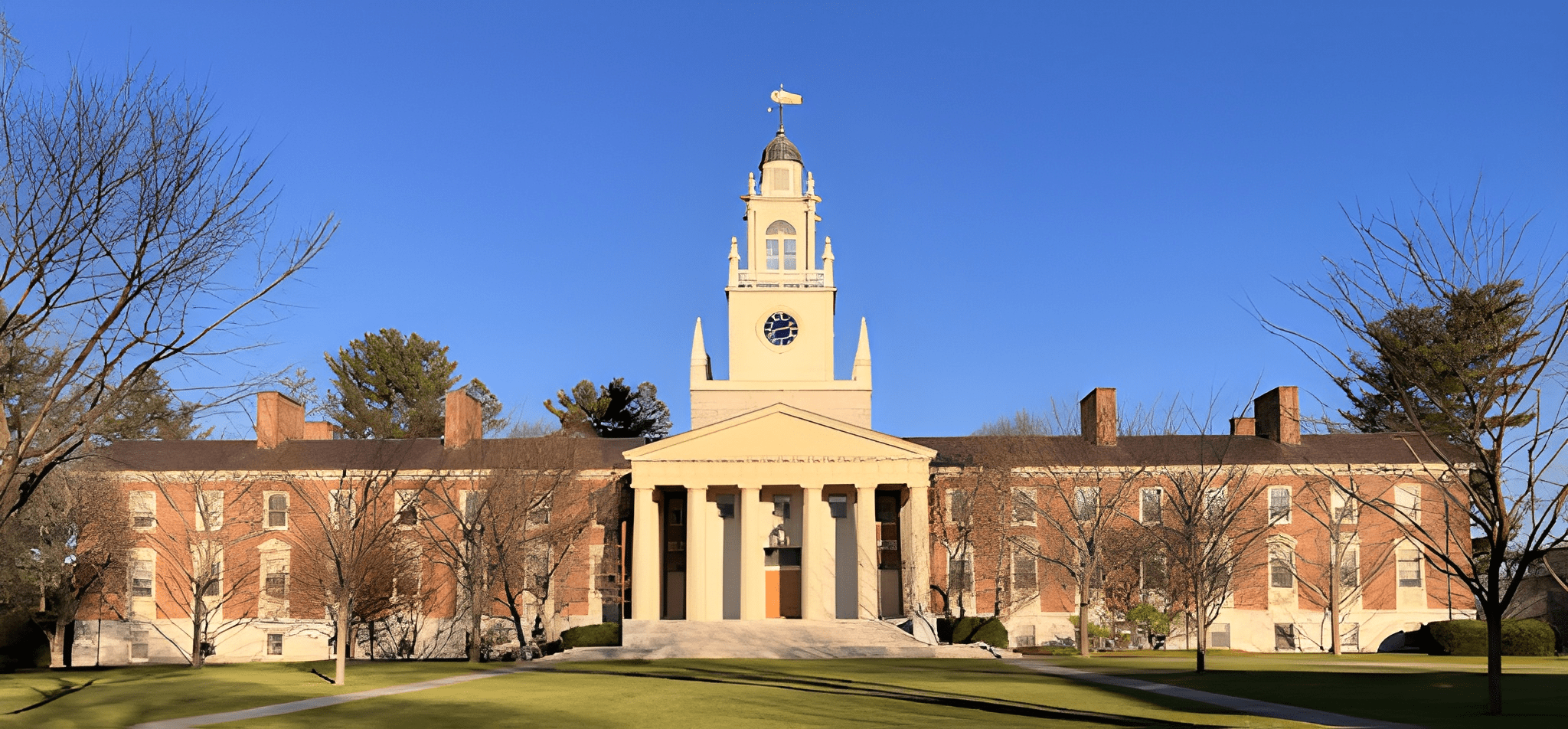
Boarding schools in the UK are known for their centuries-old prestige and rigorous academics. However, admissions to UK boarding schools are highly competitive and complex. Many parents and students either don't know where to start or they simply get swamped by the several steps.
In this article, we will discuss in detail various types of boarding schools and how to choose one of them for your child. We will also explain the step-by-step process for getting admission to UK boarding schools, the visa process, and scholarships.
Understanding UK Boarding Schools
First, you need to understand the system and types of boarding schools in the UK to make the right decision based on your goals, needs, and budget.
State Boarding Schools
The government funds state boarding schools in the UK. They have no tuition fees; however, parents must pay for the boarding facility. These schools have strong academics, but admissions are competitive and limited for international students. They are most suitable for military, diplomatic, and global company families.
Examples: Wymondham College, Duke of York’s Royal Military School, and Sexey’s School.
Private Boarding Schools
They are usually more expensive than state boarding schools because tuition is not free. However, they have much stronger pastoral care and extra-curricular programs. They are ideal for international students and local families who cannot secure a placement at state boarding schools and who are willing to pay for tuition.
Examples: St Paul’s, Westminster, Beechwood, Trinity, Lucton, and Brighton School.
Schools Supporting Dual Academic–Football Pathways
Some UK boarding schools understand that young, talented footballers need a structured, professional training environment with strong academics, so they partner with elite football academies to run their football programs.
Examples of such schools include Beechwood School in London and Trinity School in Devon.
The football partners, such as AF Global, provide professional coaching, performance analysis, career support, physical and mental well-being, and showcase opportunities for aspiring footballers.

How UK Boarding Schools’ Admissions Work
This is the core section of this blog. Please read it carefully to understand each step for getting admission to boarding schools in the UK. This section also explains how the admission process works for international students in the UK.
Main Entry Points
The British Education System has specific entry points based on the student’s age. The common entry points for state and independent boarding schools in the UK are given below.
Age 7: Early integration into prep school. It is primarily suitable for locals.
Age 11: start of secondary school.
Age 13: the most common boarding entry point. Suitable for entry to elite public (independent) schools, leading into GCSEs.
Age 16: This entry point is for Sixth Form (A-Levels or International Baccalaureate - IB). It is the most popular entry point for international students.
Research and Shortlisting
The first step towards admission to boarding schools in the UK is researching various schools and shortlisting a few that match your child’s profile, curriculum, and ethos. This should be done 12-24 months beforehand.
Initial tour or Visits
You must request the school’s prospectus, attend their open days, and visit them for a tour 12-18 months before admissions open to assess the facilities, the school, and the staff. It also helps you understand the school’s ethos, environment, and policy.
Registrations
Apply for registration on the school’s website, complete their form, and pay the registration fee.
Entrance Exams & Assessments
Entrance exams and assessments help schools evaluate a student’s potential. They consider that the child will be able to thrive in their environment and learning landscape.
Common entrance exams such as; ISEB Pre-Test, or school-specific papers.CAT4 and UKiset are available for overseas applicants.
Interviews are conducted to understand the student’s personality, critical thinking, and mindset. Some schools also interview parents or guardians.
The school may ask you to submit current school reports and assessments.
How Admissions Differ for International Students
The basic framework of the admission process is similar for international students in the UK; however, there are some additional requirements that international candidates must fulfil before getting a Confirmation of Acceptance for Studies (CAS) from the school.
The English language is a must for international students. They must demonstrate a certain level of English proficiency, supported by an English-language proficiency test such as IELTS or TOEFL.
Students must provide financial evidence.
They must secure a child student Visa.
Boarding schools provide international students with academic transition support, including EAL (English as an Additional Language), study skills programmes, and pastoral mentoring.
Scholarships and Bursaries at UK Boarding Schools
Unlike many other education systems, which provide full funding, the British education system provides carefully assessed financial support based on merit and/or need. Understanding the scholarships and bursaries can help families set realistic financial goals and plan strategically.
Academic Scholarships
Academic scholarships are awarded to students with exceptional intellectual ability, strong academic foundations, and long-term academic potential. The scholarships are offered at mostly key entry points, such as at ages 13 and 16.
These scholarships are recognition of talent rather than financial support, and they mainly cover 10% to 30% of tuition. If a student needs financial support, then an academic scholarship is combined with a bursary. Academic scholarships are highly competitive, and students are assessed against strong candidates globally.
The tests for academic scholarships are often more difficult than the entry exam. Interviews are conducted to assess depth of thinking, intellectual curiosity, and the ability to articulate ideas clearly.
Sports Scholarships
Sports scholarships are awarded to students with outstanding sporting abilities and achievements. Students are assessed through trials, match footage, or recommendations from qualified coaches. The decision is made based on the student’s technical skills, physical abilities, and game understanding.

Your future
starts
here
REGISTER
These scholarships are conditional and depend on consistent performance and commitment. The students are expected to train regularly without affecting academics and represent the school in the game. Students who have qualified or played within semi-professional or professional frameworks are preferred for sports scholarships.
Bursaries: Means-Tested Financial Aid
Bursaries are scholarships awarded to students based on family income and financial circumstances. These are awarded to make education accessible rather than to reward merit.
Bursaries are awarded to both UK citizens and international students. Families are required to submit confidential information, including income statements, asset details, and financial commitments. These are handled discreetly and often reviewed annually. Some students can hold both an academic/sports scholarship and a bursary due to their financial needs. This can significantly reduce the tuition cost.
How to Find and Apply for Scholarships
The steps for finding and applying for scholarship and bursary programs are listed below.
Go to the school’s website and look for “Fees & Funding” or “Scholarships & Bursaries”, and apply.
International and local students can also use educational consultants for tailored advice according to their needs. These consultants will help you find the best school that offers scholarships, based on your abilities and needs.
If your family’s financial means are limited, you can also contact charities to award you a scholarship or bursary, such as SpringBoard.
UK Student Visa Process for Boarding School Students
For international students, obtaining a student visa for the UK is one of the most crucial steps. It is a slight mistake, a missed timeline, or a documentation error that can lead to refusal. The complete process is delineated below.
Child Student Visa
International students must obtain a Child Student Visa, previously known as the Tier 4 Child Visa, to study in boarding schools in the UK. Students aged 4 to 17 years are eligible for this category. Your desired boarding school must be a UKVI-licensed sponsor. Schools on the official visa list can issue visa documentation.
Steps for Child Student Visa, UK
Get an Offer: Obtain an unconditional offer letter from a licensed school, pay the deposits, and receive CAS( Confirmation of Acceptance for Studies).
Visa Type: Check your visa type. If you are under 17, you apply for a Child Student Visa, and if you are above 18, you apply for a Student Visa.
Documents: gather essential documents such as
Passport.
CAS reference number.
Financial proof (bank statements showing 28 days of funds for fees/living, as specified by the school).
Proof of English (IELTS or other approved test).
TB test certificate (if from an approved country).
Parent/Guardian consent & Guardian details (for Child Student visa)
Online Form: Fill out the online application form.
Fees: Pay the visa fee and Immigration Health Surcharge (IHS).
Biometrics: Go to your local visa application centre for fingerprints and a photograph.
Interview: Be prepared for a physical or online interview about your study plans.
Decision: wait for the decision from the UK Embassy or Consulate in your country.
Visa Application Timeline
Applications must be submitted 3 to 4 months in advance to avoid any last-minute inconvenience. Standard processing time is about 3 weeks.
Common Mistakes of the Visa Application
Forged or incorrect documents.
Fake proof of funds.
Incomplete forms.
Discrepancies in CAS and the application details.
Guardianship Requirements for International Boarding Students
International students require a UK-based guardian for school and visa applications. Here are all the necessary details for Guardianship.
Requirements for Guardian
Guardians must meet the following requirements set by the UK Visas and Immigration (UKVI) department.
Age: above 25 years
Residence: They must be living in the UK and be a UK citizen.
Screening: Should hold an Enhanced DBS (Disclosure and Barring Service) check.
Training: Guardians should have child safeguarding training.
Availability: 24/7 availability for emergencies and school issues.
Type of Guardians
There are two types of guardians discussed below.
Family/Friend: A close friend or family member over 25 years can act as a guardian.
Educational Guardianship Agency: If the student doesn’t have any family or friends in the UK, they might contact an educational guardianship agency accredited by the Association of Educational Guardians for International Students (AEGIS) that provides host families and professional care.
Choosing the Right UK Boarding School for Your Child
There is no single best boarding School. The Best boarding school does not mean the top-ranked school; it means choosing the school that is most suited to your child’s personality, academic needs, and interests. Here are some key factors to consider before finalizing your child’s UK boarding school.
Choose the school with the right academic curriculum (A-level, IB, etc.) for your child’s pace and abilities.
Make sure the school has sports facilities, structured coaching, and amenities.
If your child is a footballer, choose a school with an elite football program and partner organisations such as AF Global, which provide elite football training to young players.
Make sure the school has the right boarding option for your child(full boarding, weekly, sixth-form).
Choose a school according to your budget and financial circumstances.
Search for the school’s scholarship programs and keep realistic goals.
Conclusion
Choosing a boarding school in the UK for your child can be a stepping stone to their future success. If done right, it can open many doors of opportunities, better university placements, and personality grooming.
The key to selecting the right school and managing the process efficiently is an early start. You must start the process at least a year or two earlier. This will give you enough time to research schools, shortlist them, understand the UK education system, know about entry points, and prepare for the assessments.
The process seems elaborate and complicated, but taking a pre-planned, strategic approach will help you simplify it. This one decision might brighten your child’s future forever.